Understanding the Quality of Natural Light
Natural light varies dramatically throughout the day, and each variation offers unique opportunities for portrait photography. The quality of light refers to its hardness or softness, which directly impacts the shadows and overall mood of your images. Hard light creates strong, defined shadows and high contrast, while soft light produces gentle shadows and even illumination.
The size of the light source relative to your subject determines its quality. A small light source creates hard light, while a large light source produces soft light. This is why an overcast sky creates beautifully soft, flattering light—the entire sky becomes one massive diffused light source. Understanding this fundamental principle allows you to predict and manipulate natural light effectively.
The Golden Hour Advantage
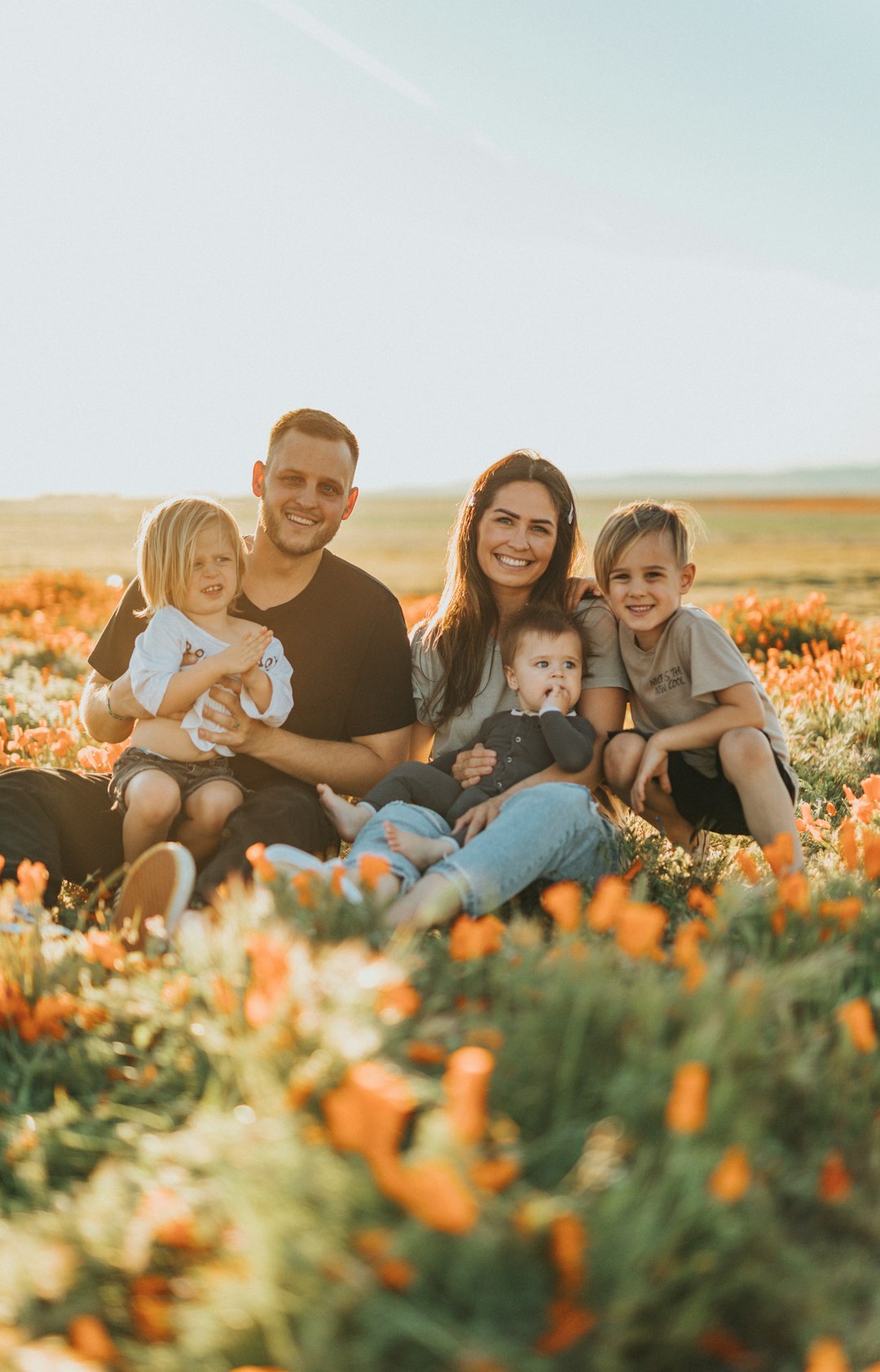
The golden hour, occurring shortly after sunrise and before sunset, is renowned among photographers for producing warm, flattering light. During this time, the sun sits low on the horizon, creating a larger apparent light source that wraps around your subject beautifully. The warm color temperature adds a magical quality to skin tones and creates a romantic atmosphere in portraits.
To maximize golden hour sessions, arrive at your location early to scout positions and plan your shots. Position your subject so the light grazes their face at a flattering angle, typically 45 degrees from the camera. The low angle of the sun also creates stunning backlight opportunities, producing a beautiful rim light around your subject's hair and shoulders. Use a reflector to bounce some of this warm light back onto your subject's face, creating a balanced exposure with gorgeous catchlights in the eyes.
Window Light Techniques for Indoor Portraits
Window light provides one of the most beautiful and controllable natural light sources for indoor portrait photography. Large windows act as giant softboxes, creating soft, directional light perfect for flattering portraits. The key is positioning your subject correctly relative to the window and managing the light's direction and intensity.
Position your subject approximately 3-6 feet from the window, angling them so the light illuminates their face at roughly 45 degrees. This classic lighting angle, known as Rembrandt lighting, creates depth and dimension while maintaining flattering shadows. For even softer light, photograph on overcast days or use sheer curtains to diffuse direct sunlight. Place a white reflector opposite the window to fill in shadows and create catchlights in both eyes, preventing one side of the face from falling too dark.
Working with Harsh Midday Sun
Midday sun, often considered challenging for portraits, can still produce excellent results with the right techniques. The key is finding or creating shade to diffuse the harsh overhead light. Look for open shade under trees, building overhangs, or use artificial shade from reflectors or diffusion panels.
When shooting in open shade, ensure your subject is completely in shadow to avoid dappled light patterns on their face. Position them near the edge of the shade, facing the open sky, which acts as a giant reflector providing soft, even illumination. Be mindful of color casts from surrounding surfaces—green grass and foliage can reflect green light onto your subject, requiring color correction in post-processing. If you must shoot in direct midday sun, use a diffusion panel held above your subject to create artificial shade, transforming harsh light into soft, flattering illumination.
Overcast Days: The Natural Softbox
Overcast days provide arguably the most forgiving natural light conditions for portrait photography. The cloud cover acts as a massive diffusion panel, creating soft, even light without harsh shadows. This allows you to photograph at any time of day without worrying about unflattering shadows or squinting subjects.
While overcast light is wonderfully soft, it can sometimes appear flat and lack direction. Combat this by positioning your subject strategically and using reflectors to add directional light and create catchlights in the eyes. Place a white or silver reflector to one side of your subject, angling it to bounce light onto their face and create subtle shadows that add dimension. The soft light of overcast days is particularly flattering for close-up portraits and headshots, minimizing skin texture and creating even, beautiful skin tones.
Backlighting for Dramatic Effect
Backlighting, where the primary light source is behind your subject, creates stunning, ethereal portraits with beautiful rim lighting. This technique works exceptionally well during golden hour when the sun is low and easy to position behind your subject. The key challenge with backlighting is properly exposing your subject's face while maintaining the luminous quality of the backlight.
Expose for your subject's face, allowing the background to go slightly overexposed for a dreamy, high-key effect. Use a reflector positioned in front of your subject to bounce light back onto their face, or use fill flash at low power to illuminate them without overpowering the natural light. Watch for lens flare by slightly adjusting your angle or using your hand or a lens hood to shield the lens while keeping the backlight effect. When done correctly, backlighting creates a magical, professional quality that's instantly recognizable.
Essential Equipment for Natural Light Photography
While natural light photography requires minimal equipment compared to studio work, a few key items significantly enhance your results. A 5-in-1 reflector kit is invaluable, providing white, silver, gold, and black reflectors plus a translucent diffusion panel. These tools allow you to modify natural light, filling shadows, adding warmth, or creating shade as needed.
Invest in a sturdy reflector stand or recruit an assistant to hold reflectors, freeing you to focus on posing and composition. A lens hood helps prevent lens flare when shooting toward the sun, while a polarizing filter can reduce glare and enhance colors in outdoor portraits. For advanced control, consider a portable diffusion panel or scrim to create shade and soften harsh sunlight. These relatively inexpensive tools exponentially expand your creative options when working with natural light.
Practical Tips for Consistent Results
Consistency in natural light photography comes from understanding light behavior and developing reliable workflows. Always observe the direction, quality, and color of available light before positioning your subject. Use your hand as a test subject, noting how shadows fall and where highlights appear. This quick assessment helps you visualize how light will interact with your subject's features.
Pay attention to your subject's eyes—properly lit eyes with visible catchlights make or break a portrait. Position yourself and your subject so their eyes receive adequate light, using reflectors to create catchlights if necessary. Shoot in RAW format to maximize flexibility in post-processing, particularly for correcting white balance and recovering highlight or shadow detail. Finally, practice reading light in everyday situations, training your eye to recognize beautiful light and visualize photographic opportunities wherever you go.
Conclusion
Mastering natural light in portrait photography is a journey of observation, practice, and experimentation. By understanding light quality, leveraging optimal times of day, and using simple modifiers like reflectors, you can create professional-quality portraits in any natural light situation. Remember that the best light for portraits is often softer and more directional—seek these qualities whether shooting at golden hour, using window light, or working on overcast days. With these techniques in your arsenal, you'll confidently approach any portrait session, knowing you can harness natural light to create stunning, memorable images your clients will treasure.